
Blog
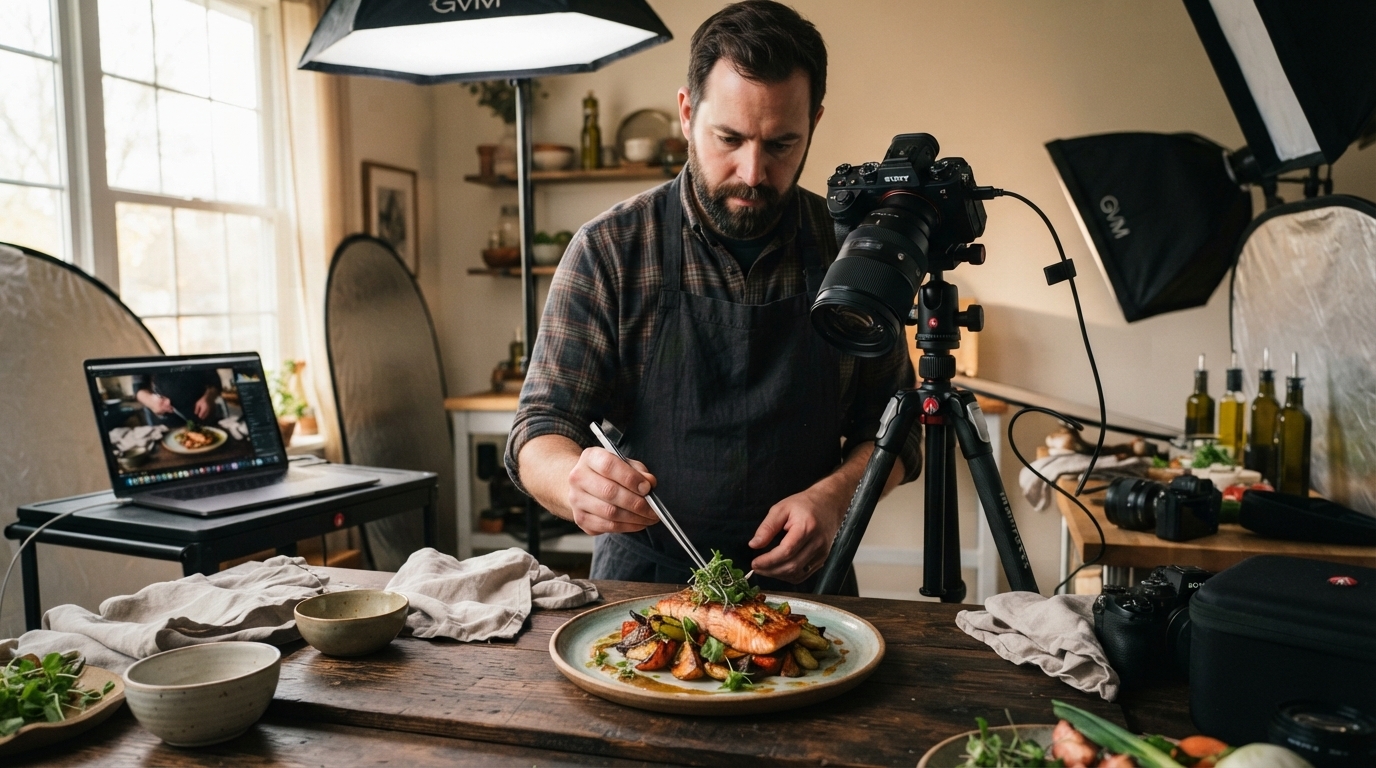
Why Professional Food Photography Decides Whether Customers Choose Your Brand or Scroll Straight Past It
Food is the only product category where customers are asked to judge taste with their eyes first. A guest scrolling through a delivery app, a shopper comparing two jars of sauce, and a follower browsing your Instagram feed all make the same silent decision within a few seconds: does this look worth my money and my appetite? The photograph answers that question before your menu, your packaging copy, or your reviews ever get the chance.
Jens Johnson is a professional food photographer, and my work is built on one belief: a food image is a business tool, not decoration. A well-lit, carefully styled photograph can increase online orders, justify a premium price, and make a young brand look established.
Meet Jens Johnson: The Experience, Training, and Hands-On Expertise Behind Every Food Photograph
Google’s quality guidelines emphasize Experience, Expertise, Authoritativeness, and Trustworthiness, and they are a useful yardstick when you hire a creative professional. So here is how I think about each of them.
Experience. Food photography is learned on set, not from a manual. Over years of shooting in kitchens, studios, and on location, I have dealt with the problems that only surface in real production: ice cream collapsing under lights, herbs wilting in minutes, sauces that look flat on camera, and glossy packaging that throws reflections across a frame. Solving those problems quickly, without wasting your budget, is what experience buys you.
Expertise. My work combines technical command of light, lenses, color, and composition with a genuine understanding of food itself: how it cooks, how it holds, how it photographs, and how it should be prepared so it looks its best for the full length of a shoot.
Authoritativeness. I build my reputation through the results clients get, through repeat commissions, and through work that appears across menus, packaging, websites, advertising, and social channels.
Trustworthiness. I work with written quotes, clear deliverables, defined timelines, and plain-language licensing. You will always know what you are paying for, what you will receive, and how you are allowed to use it.
The Food Photography Services Jens Johnson Offers for Restaurants, Packaged Food Brands, and Beverage Companies
Different businesses need different images, so I structure my services around the job your photographs have to do.
Restaurant and menu photography. Plated dishes, signature drinks, interiors, and the atmosphere that makes guests want to book a table. These shoots suit your website, Google Business profile, delivery platforms, printed menus, and press kits.
Packaged product photography. Bottles, cans, pouches, boxes, and jars need technical precision. I control reflections, keep colors faithful to the real product, and deliver clean images that meet marketplace and retailer requirements, including white-background shots for e-commerce.
Commercial and advertising photography. Campaign imagery that is planned around a concept. This often involves a food stylist, props, and a clear creative direction, with images designed for paid social, out-of-home advertising, and print.
Editorial and cookbook photography. Process-driven images that tell a story through ingredients, hands, and finished dishes, with a consistent look from the first page to the last.
Social media and lifestyle content. Natural, appetizing images and short clips built for mobile screens: pours, slices, steam, bites, and behind-the-scenes moments that feel authentic instead of staged.
Content libraries and seasonal refreshes. Many brands need a large batch of consistent assets each quarter. I plan these as efficient, multi-setup shoots so you receive more usable images for each day of production.
How a Professional Food Photographer Builds a Consistent Visual Identity That Matches Your Brand Personality
A strong image does not merely show food. It communicates who you are. A neighborhood bakery, a premium chocolatier, a plant-based meal company, and a late-night burger bar can all sell excellent food and still need completely different visual languages.
I begin every project by understanding brand personality, audience, and competitive landscape. A rustic, family-run brand might call for warm, natural light, textured surfaces, and generous portions. A luxury brand might call for darker tones, controlled highlights, and minimal props. A health-focused brand usually benefits from bright, clean compositions that signal freshness and transparency.
The Food Photography Process at Jens Johnson: From the First Conversation and Shot List to Final Retouched Delivery
A predictable process protects your time and your budget. Every project follows the same clear stages.
- Discovery call. We discuss your goals, audience, where the images will appear, your timeline, and your budget. I ask about your competitors and the images you admire. A short mood board from you is often enough to align our expectations.
- Proposal and quote. You receive an itemized estimate covering photography, styling, production costs, retouching, and licensing, so there are no hidden extras.
- Pre-production. We build a shot list that specifies each dish or product, the angle, the intended use, and the crops you’ll need, whether that is a vertical story, a square post, or a wide website banner. We also plan ingredients, props, surfaces, and logistics.
- The shoot. On shoot day, I work with tethered capture whenever possible, so you can review images on a large screen in real time and approve compositions while the food is at its best. Clear communication keeps the day focused and efficient.
- Selection and retouching. You choose your favorites, and I handle color correction, cleanup, and finishing. The goal is food that looks vivid and delicious yet honest, never so manipulated that customers feel misled when the real dish arrives.
- Delivery. Final images arrive organized and named logically, in the formats and sizes you need, together with a written license that defines how you may use them.
Lighting, Styling, and Composition: The Technical Craft That Makes Food Look Fresh, Textured, and Irresistible
Great food photography looks effortless, but it is built on deliberate technical decisions.
Light is the foundation. The way light falls across a dish determines whether it looks crisp or soggy, glossy or dull. Side and backlighting often reveal texture, such as the flaky layers of a croissant or the sheen of a glaze, while soft diffusion prevents harsh shadows and blown highlights. Depending on the brand, I use natural window light, controlled studio strobes, or a mix of both.
Styling sells appetite. Food styling is a craft in itself. Small decisions, like a scattering of herbs, a carefully placed drip, the height of a stack, or the temperature at which a dish is photographed, change how appetizing it appears. For complex projects, I work with experienced food stylists, because dedicated styling improves results and speeds up production.
Composition guides the eye. Angle matters. Overhead shots suit bowls, pizzas, and flat lays. A 45-degree view is natural for plated meals. Straight-on angles show height and layers in burgers, cakes, and drinks. I choose each one based on what makes that specific product look best and where the image will be used.
Color must stay honest. Ripe tomatoes, fresh greens, and golden crusts should look exactly as appealing as they are in real life. Accurate color also protects you from customer complaints and returned products.
On-Location and Studio Food Photography: Choosing the Right Environment for Your Dishes, Products, and Budget
Where the shoot takes place affects the look, the cost, and the workflow, so it is worth choosing deliberately.
Studio photography offers full control. Lighting stays consistent from the first image to the last, there are no interruptions from customers or service, and it is ideal for packaged goods, e-commerce images, and large content libraries. It also makes complicated styling and retouching easier to manage.
On-location photography captures authenticity. Restaurant shoots in your actual dining room, farm-to-table stories at the source, and food truck or café content all benefit from real environments. The trade-off is that light, space, and time are less predictable, so experience matters. I arrive with portable lighting, backup equipment, and a flexible plan so that busy kitchens and tight spaces don’t compromise the result.
Many brands benefit from a hybrid approach: studio sessions for precise product and menu imagery, and a shorter on-location session for atmosphere and lifestyle content. During our discovery call, I’ll recommend the setup that gets you the strongest images for the least unnecessary cost.
Food Photography Pricing Explained: What Affects the Cost of a Shoot and How to Invest Your Budget Wisely
I don’t believe in vague pricing, so here is how costs are typically built. Every project is different, which is why I provide a written, itemized quote after learning your needs instead of advertising one fixed rate.
Scope and volume. The number of dishes or products, the number of final images, and the number of setups all shape the time required.
Shoot duration. Photographers usually price by the hour, half day, full day, or project. Larger content libraries are generally more cost-efficient per image than a single hero shot.
Production costs. Food styling, props, ingredient purchasing, studio or location fees, assistants, and travel are often quoted separately from the photography fee.
Retouching and post-production. Color correction, cleanup, background removal, and compositing all take time, so the number of edited images should be clearly defined.
Licensing and usage. Broader usage, such as national paid advertising or packaging, is valued higher than limited web and social use.
A practical budgeting tip: put the largest share of your investment into images that work hardest, such as your homepage, packaging, paid ads, and best-selling items. Use a lighter approach for secondary content. A professional should be able to explain exactly where each part of your budget goes, and I always do.
How to Prepare for Your Food Photography Session So You Get More Value From Every Hour on Set
Good preparation improves results and lowers costs. These steps help every shoot run smoothly.
Finalize your shot list. List every dish or product, with preferred angles, intended channels, and any must-have shots. Include the aspect ratios you’ll need, such as vertical for stories, square for posts, and wide for banners.
Share your brand materials. Logos, color palettes, packaging, tableware, and reference images help keep the visuals aligned with your identity.
Prepare the food and products. Make sure items are camera-ready and have backups. Some dishes and packaging will not survive the first attempt.
Nominate one decision-maker. When too many people weigh in, shoots slow down. A single person with approval authority keeps the day efficient.
Plan the logistics. For location shoots, confirm access, power, parking, and quiet periods in your kitchen or dining room.
Stay available, and trust the process. Be present for questions, and leave the lighting and composition choices to the photographer you hired for exactly that reason.
I send a short preparation checklist before every project, so nothing important is missed.
How to Judge Any Food Photographer’s Portfolio, References, and Reputation Before You Hire
Whether you work with me or someone else, choosing carefully protects your investment. These are the checks I recommend to every client.
Look for relevance. A photographer with excellent portrait or wedding work may not understand food. Look for projects similar to yours, whether that is frozen desserts, packaged sauces, or plated restaurant dishes.
Evaluate consistency. A professional delivers a cohesive look across many images. Ask to see a complete set from a single client, not just a curated highlight reel.
Study the technical quality. Check the lighting, color accuracy, sharpness, and styling. Food should look fresh and realistic, not over-processed.
Ask for references. Reliable photographers are comfortable putting you in touch with past clients. Ask about punctuality, communication, handling of feedback, and whether they would hire the photographer again.
Read the contract. Clear scope, pricing, timeline, and licensing terms signal professionalism.
Consider a paid test shoot. For large projects, a small trial of a few dishes or products shows you how a photographer works in real conditions before you commit the full budget.
I welcome these questions because confident, transparent work should stand up to scrutiny.
Frequently Asked Questions About Hiring a Professional Food Photographer
How far in advance should I book a food photographer?
Three to six weeks is a sensible minimum, and earlier is better for holidays, seasonal menus, and product launches, when calendars fill quickly.
Can smartphone photos replace professional food photography?
Smartphones can work for casual social posts. For menus, packaging, websites, e-commerce, and advertising, professional lighting, styling, and retouching typically produce a noticeable improvement in perceived quality.
How many final images will I receive?
That depends on the agreed scope. Your quote will state the exact number of retouched images included, along with any options for additional edits.
Do I need a food stylist?
Not for every project, but complex dishes, packaging, and advertising campaigns usually benefit from one. A stylist improves the final result and often saves time on set.
Do you travel for shoots?
Travel is possible depending on the project. Local work can reduce costs, but fit and expertise matter more than distance.
How long does delivery take?
Turnaround varies with the size of the project and the amount of retouching. A clear delivery date is always included in your proposal.
Work With Food Photographer Jens Johnson to Create Images That Build Trust, Stimulate Appetite, and Grow Your Brand
As a professional food photographer, my goal is simple: to create images that look delicious, feel true to your brand, and help you reach your business goals. You will get clear communication, a structured process, honest pricing, and plain-language licensing from your first message to your final delivery.
If you are planning a menu refresh, a product launch, a website redesign, or a new content library, I would be glad to hear about your project. Contact Jens Johnson today to discuss your goals, share your timeline, and request a tailored quote.