
Blog
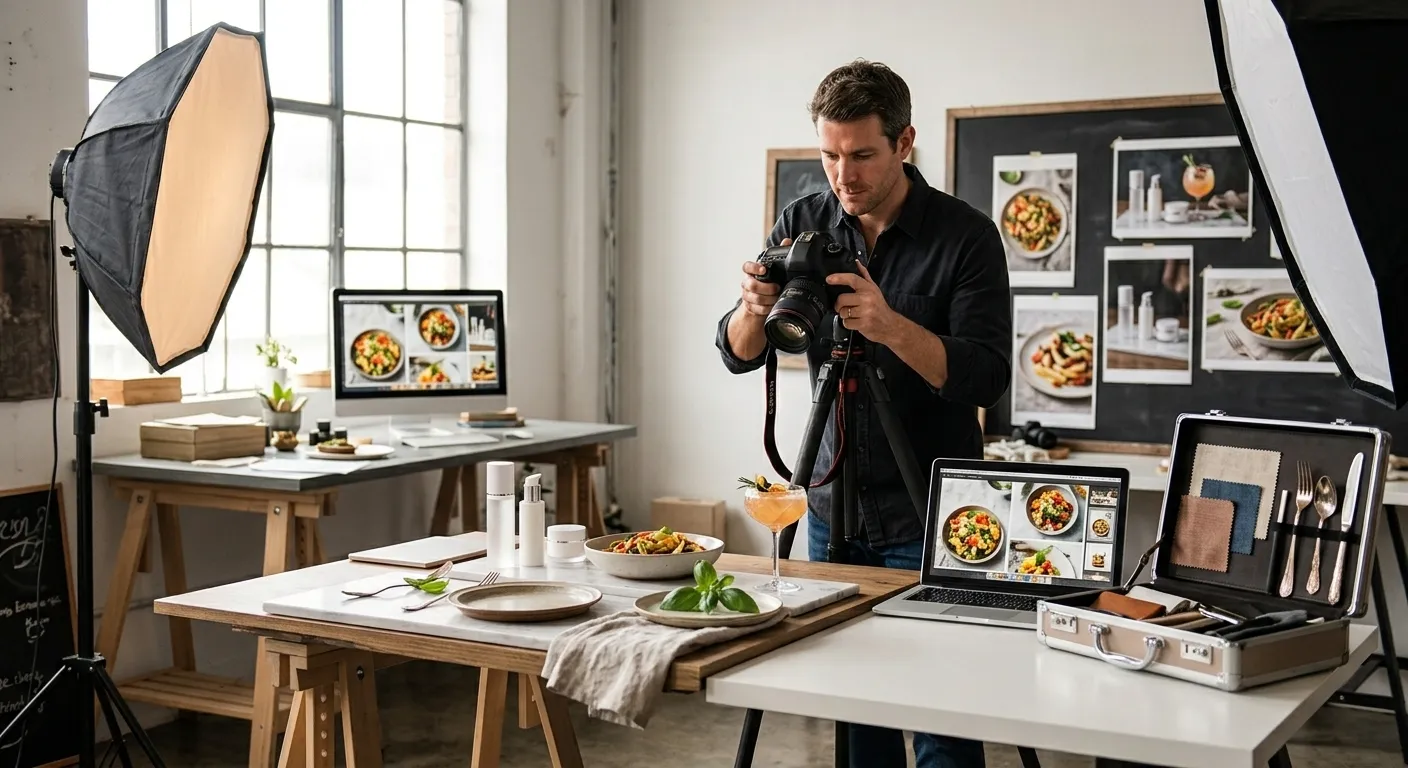
How Professional Food and Product Photography Helps Businesses Stand Out
At Jens Johnson, food photography and product photography are approached as more than simply taking pictures. The goal is to communicate a product’s value, highlight its defining features, and create images that connect with the intended audience. Every detail, from lighting and composition to color balance and styling, can influence how viewers interpret an image.
Food photography focuses on making dishes look appealing while communicating their texture, freshness, ingredients, and presentation. Product photography, meanwhile, emphasizes the appearance, quality, functionality, and distinctive characteristics of an item. Although these photography styles serve different purposes, both rely on careful planning, technical expertise, creative direction, and attention to detail.
Professional images can support websites, social media campaigns, digital advertisements, restaurant menus, online stores, packaging, and promotional materials. Consistent photography can also help businesses establish a recognizable visual identity across multiple marketing channels.
What Is Food Photography and Why Does It Matter for Modern Businesses?

Food photography is the art and technical practice of capturing food in a visually appealing and meaningful way. It combines photographic skills with styling, lighting, composition, and an understanding of how colors and textures influence perception. The objective is not simply to document a meal but to present it in a way that communicates its appeal and fits the brand’s identity.
Restaurants, cafes, bakeries, catering companies, packaged food brands, food delivery businesses, and recipe publishers all rely on food photography to communicate with customers. Attractive images help audiences understand what a business offers and what they can expect from its products.
For example, a restaurant promoting a signature pasta dish might emphasize the sauce’s texture, the freshness of the ingredients, and the careful arrangement of the plate. A bakery may focus on the golden crust of freshly baked bread, the layers of a pastry, or the delicate decoration of a celebration cake. Each image should highlight the qualities that make the food distinctive.
Best Food photography also supports storytelling. A photograph of a freshly prepared meal on a rustic wooden table communicates a different atmosphere from an image of the same dish presented against a clean, modern background. The choice of props, lighting, surface, and composition helps create the desired impression.
At Jens Johnson, the value of effective food photography lies in presenting food with clarity, creativity, and visual purpose. When images accurately represent the dish while making it appealing, they can help businesses communicate their offerings more effectively across digital and print platforms.
How Food Photography Influences Customer Perception
Visual presentation can shape a customer’s expectations before they experience a product firsthand. When people browse a restaurant website or online menu, they use photographs to understand portion presentation, ingredients, and the overall dining experience.
Well-executed food images can help a business:
- Present menu items in an appealing and consistent way.
- Highlight the freshness, texture, and presentation of ingredients.
- Create a recognizable visual identity across marketing channels.
- Make online menus easier and more engaging to browse.
- Support promotional campaigns for seasonal dishes and special offers.
- Communicate the personality and atmosphere of a restaurant or food brand.
However, effective food photography should remain authentic. Images should represent the actual food customers can expect rather than creating misleading expectations. This balance between visual appeal and honest presentation helps brands communicate with credibility.
What Is Product Photography and How Does It Improve Brand Presentation?

Product photography involves capturing clear, attractive, and informative images of products for commercial use. These photographs help customers examine an item’s appearance, design, materials, packaging, and important features before deciding whether it meets their needs.
In online shopping, customers cannot physically touch or inspect a product before purchasing it. Product images therefore become an important part of the buying experience. A well-lit photograph can show the shape of a bottle, the finish of a handbag, the texture of a fabric, or the details of a piece of jewelry. Multiple views can provide additional context that a single photograph may not communicate.
Businesses across many industries use professional product photography, including fashion, cosmetics, electronics, home decor, jewelry, furniture, health and beauty products, and specialty retail. Each category requires a different approach to lighting, styling, background selection, and image composition.
For example, a skincare brand might use a bright, minimal setup to communicate simplicity and cleanliness. A luxury jewelry brand may prefer carefully controlled highlights and a darker background to emphasize detail and sophistication. A home decor business could photograph a product within a furnished room to help shoppers understand its scale and imagine how it might look in their own homes.
At Jens Johnson, the purpose of effective product photography is to make product details easy to understand while presenting the brand in a consistent, professional manner. The best approach depends on the product, the target audience, the intended platform, and the message the business wants to communicate.
The Role of Product Images in Building Customer Confidence
Customers often use product photographs to answer practical questions before making a purchase. They may want to understand an item’s size, color, material, packaging, finish, or construction. Images that clearly address these questions can make the shopping experience more informative.
Professional product photography can help businesses:
- Display product details with greater clarity.
- Maintain consistent images across product listings.
- Communicate quality and design through visual presentation.
- Support product launches and promotional campaigns.
- Create stronger visual consistency across websites and social media.
- Help shoppers compare products and understand their features.
Image accuracy is particularly important. Colors should be represented as faithfully as possible, and retouching should not conceal defects or materially change the product’s appearance. A polished image should improve presentation without misrepresenting what the customer will receive.
Essential Techniques That Make Food Photography Look Professional
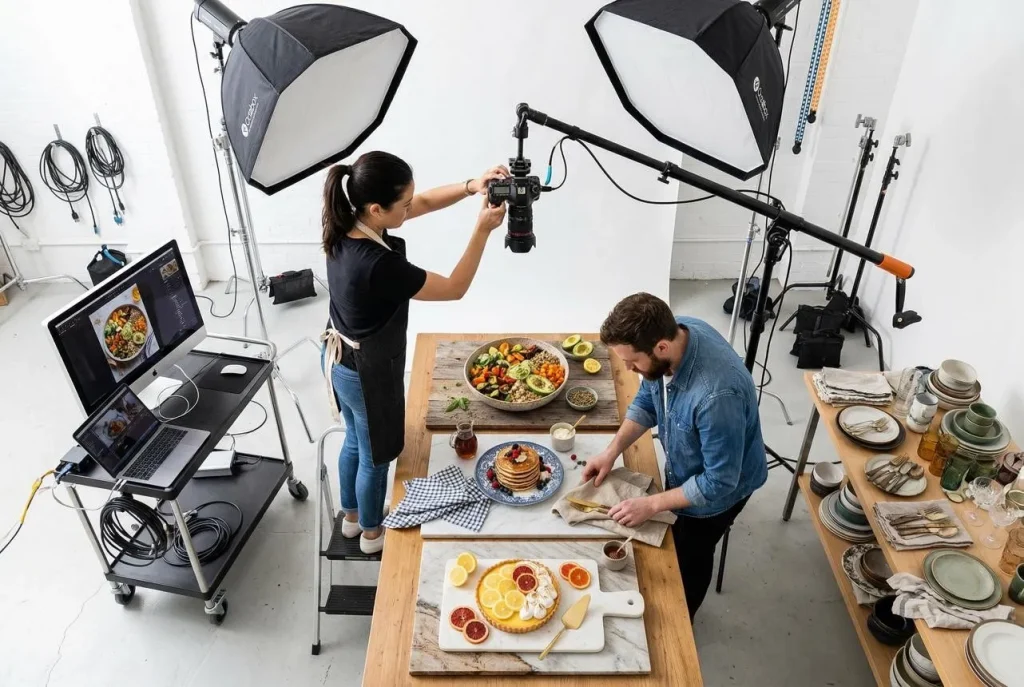
Creating an appealing food photograph requires more than placing a dish in front of a camera. The photographer must consider how light interacts with the food, which details deserve attention, and how the composition guides the viewer’s eye.
1. Use Lighting to Reveal Texture and Freshness
Lighting can make a substantial difference in the way food appears in photographs. Soft natural light from a window can create gentle shadows and help preserve a natural-looking appearance. Side lighting is particularly useful for revealing textures such as the crust of bread, the layers of a pastry, or the surface of grilled vegetables.
Backlighting can help translucent drinks, sauces, and fresh ingredients appear luminous. Meanwhile, carefully positioned studio lighting offers greater control when natural light is unavailable or when a consistent look is required across a large menu.
The goal is to create enough contrast to reveal texture without producing harsh highlights or losing important details in deep shadows. Lighting should support the food’s natural characteristics rather than overpower them.
2. Choose the Right Angle for Each Dish
Camera angle affects how viewers understand a dish. Overhead photography works well for flat lays, pizzas, salads, charcuterie boards, and dishes with carefully arranged ingredients. A 45-degree angle often resembles the perspective of someone sitting at a table, making it useful for many restaurant meals.
A lower angle can emphasize the height of a burger, a layered cake, or a tall stack of pancakes. Close-up photography can reveal details such as melted cheese, flaky pastry, or the texture of a sauce.
Instead of applying the same angle to every dish, photographers should select a perspective that communicates its most appealing characteristics.
3. Apply Thoughtful Food Styling and Composition
Food styling helps arrange a dish and its surrounding elements so that the main subject remains visually clear. Plates, utensils, napkins, herbs, ingredients, and serving surfaces can support the composition when used with restraint.
The food should remain the focal point. Too many props can distract from the dish, while an empty or poorly balanced frame may fail to communicate the intended atmosphere.
Composition techniques such as the rule of thirds, leading lines, negative space, and controlled layering can help create a balanced photograph. Negative space is particularly valuable when the image will be used in an advertisement that requires room for a headline or promotional message.
4. Capture Color and Texture Without Misrepresentation
Color is an important part of food presentation. Bright vegetables, golden baked goods, fresh herbs, and rich sauces can create visual contrast and make an image more engaging.
However, excessive saturation or unrealistic editing can make food look artificial. Accurate white balance, natural-looking colors, and controlled contrast help preserve the dish’s character.
Textures should also remain believable. Retouching may remove distracting crumbs or correct minor lighting issues, but the final photograph should still represent the food that the business actually serves.
5. Plan the Shoot Around the Food’s Characteristics
Some dishes change appearance quickly after preparation. Ice cream melts, sauces settle, steam dissipates, and fresh greens can lose their crisp appearance. A successful shoot therefore requires planning before the food reaches the camera.
Photographers and food stylists can prepare the lighting, camera position, props, and composition in advance. This allows the dish to be photographed promptly when it is ready.
For restaurants and food brands, coordination between the kitchen and photography team can improve efficiency while helping the final images reflect the intended presentation.
Product Photography Techniques That Highlight Quality and Detail
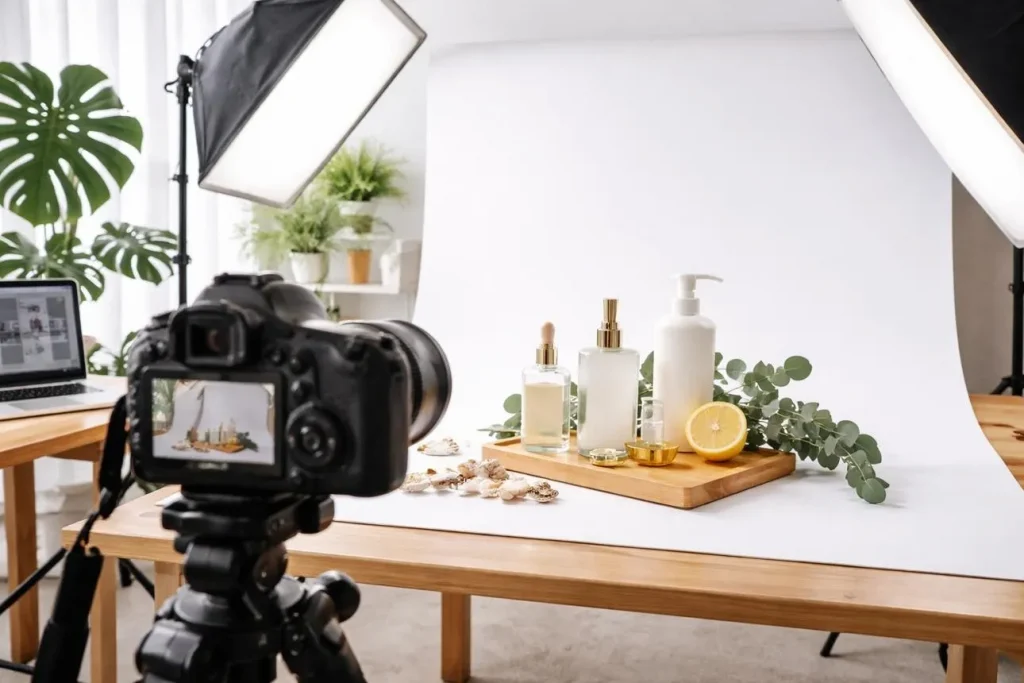
Product photography requires a different kind of precision. Reflective materials, small design features, packaging surfaces, and subtle color variations can all affect the final image. The photographer must control these elements while producing a photograph that communicates the product clearly.
1. Select a Background That Supports the Product
A background should complement the product rather than compete with it. White and neutral backgrounds are common for e-commerce images because they help customers focus on the item itself. Lifestyle backgrounds can communicate how a product is used or the environment for which it is intended.
A luxury watch may benefit from a refined, darker setting, while a kitchen accessory might look more informative in a bright kitchen environment.
Background selection should also reflect the brand’s visual identity. Using a consistent color palette and styling approach across product categories helps create a recognizable appearance.
2. Control Reflections on Glass, Metal, and Glossy Surfaces
Reflective products can be challenging to photograph because they capture surrounding objects, light sources, and even the photographer. Glass bottles, polished metal, glossy packaging, and jewelry often require careful control of reflections.
Softboxes, diffusers, reflectors, and carefully positioned flags can help manage highlights. Adjusting the size and placement of the light source can also reveal the product’s shape without creating distracting bright spots.
The goal is not necessarily to eliminate every reflection. Instead, reflections should be controlled so that they define the product’s form and contribute to a clean, professional appearance.
3. Capture Multiple Views and Important Features
A single image rarely communicates everything a customer needs to know about a product. Depending on the item, a useful image set may include a front view, side view, close-up detail, packaging view, and lifestyle photograph.
For example, an online furniture listing may benefit from images showing the entire piece, its finish, its construction details, and its appearance in a room. A cosmetics listing may require clear photographs of the packaging, applicator, product texture, and available shades.
The number and type of images should reflect the product’s complexity and the questions customers are likely to ask.
4. Maintain Accurate Colors and Proportions
Color consistency matters when customers compare product photographs with the item they receive. Correct white balance, appropriate exposure, and calibrated displays can help improve color accuracy during production and review.
Perspective also matters. An unsuitable camera angle or lens choice can make a product appear distorted or incorrectly proportioned. Camera placement, focal length, and working distance should be selected with the product’s shape and intended presentation in mind.
These considerations are especially important for products where dimensions, materials, or fine details influence purchasing decisions.
5. Retouch Images Carefully and Consistently
Post-production can remove dust, correct exposure, refine contrast, and improve the overall presentation of product photographs. Consistent editing also helps maintain a unified appearance across an e-commerce catalog or marketing campaign.
However, retouching should not alter important product characteristics or hide material imperfections. Businesses should establish editing guidelines that specify acceptable corrections and preserve the accuracy of product representation.
A disciplined workflow helps ensure that each image meets the same quality standards without losing the details that make the product recognizable.
Why Professional Food and Product Photography Is Important for Digital Marketing
Digital marketing relies heavily on visual communication. Businesses compete for attention across search results, social media feeds, online marketplaces, websites, and paid advertising platforms. Professional photography helps brands present their offerings clearly and create a consistent visual experience.
Strengthen Your Website’s Visual Identity
A website often introduces customers to a business before they have any direct interaction with its team. Consistent, high-quality photographs can make the website feel more organized, professional, and relevant to the audience.
Restaurants can use food photography to showcase their menus, signature dishes, and dining atmosphere. Retailers can use product photography to present their collections, demonstrate product details, and support online purchasing decisions.
When images follow a consistent visual style, they can also reinforce brand recognition. Similar lighting, color treatment, and composition across a website help connect individual photographs to the same business identity.
Create More Engaging Social Media Content

Platforms such as Instagram, Facebook, Pinterest, and TikTok offer businesses opportunities to share product-focused visual content. High-quality photographs can be used in promotional posts, seasonal campaigns, product announcements, behind-the-scenes content, and educational graphics.
For restaurants, a close-up of a signature dish or a carefully arranged seasonal menu can communicate the appeal of the food quickly. For product-based businesses, detailed images and lifestyle photography can demonstrate how an item looks, works, or fits into everyday life.
Businesses should also adapt their images to the format of each platform. A vertical composition may work well in a mobile-first feed, while a landscape photograph may be better suited to a website banner. Planning these requirements before a shoot can reduce the need for extensive cropping later.
Support Advertising Campaigns With Clear Visuals
Paid advertising requires creative assets that communicate a message quickly. Food and product photographs can support search display campaigns, social media advertisements, retargeting campaigns, and promotional landing pages.
For example, a bakery promoting a holiday collection might use photographs of its seasonal products to introduce the offer. A skincare business launching a new moisturizer might combine a clear product image with a lifestyle photograph and concise benefit-focused copy.
Photography alone does not guarantee advertising success. Audience targeting, offer quality, landing page experience, pricing, and campaign management also influence results. Nevertheless, clear, relevant images provide an important foundation for presenting an offer effectively.
Improve the Shopping Experience for E-Commerce Customers
Online shoppers depend on photographs to evaluate products they cannot physically examine. Providing several useful views, accurate colors, and clear details can help customers make more informed choices.
Product photography should work alongside descriptive product titles, accurate specifications, pricing information, delivery details, and return policies. Together, these elements create a more complete shopping experience.
Businesses can review product page performance, customer questions, return reasons, and conversion data to identify where their existing images may need improvement. This makes photography an ongoing part of e-commerce optimization rather than a one-time task.
How to Plan a Successful Food or Product Photography Shoot
A well-organized photography shoot starts with a clear understanding of the business objective. Preparation helps reduce wasted time, maintain consistency, and ensure that the final images serve their intended purpose.
Step 1: Define Your Photography Goals and Target Audience
Begin by identifying what the photographs need to accomplish. A restaurant may want to update its menu, introduce new dishes, or promote a catering service. An e-commerce brand may need images for a new product launch, an online catalog, or a seasonal advertising campaign.
Next, consider the intended audience. A premium brand may require a sophisticated visual style, while a family-oriented food business may prefer warm, approachable imagery.
The audience and marketing objective should guide decisions about lighting, styling, background, composition, and image format.
Step 2: Prepare a Detailed Shot List
A shot list identifies the photographs required for the project. It helps ensure that important products, dishes, angles, and campaign assets are not overlooked.
A restaurant shoot might include:
- Signature dishes photographed from multiple angles.
- Close-ups highlighting ingredients and textures.
- Group photographs featuring complementary menu items.
- Seasonal specials and promotional offerings.
- Wider compositions suitable for website banners.
A product shoot might include front and side views, packaging details, close-ups, lifestyle photographs, and images showing important product features.
A shot list also helps the team prioritize the most important photographs if time or budget is limited.
Step 3: Organize Equipment, Props, and Lighting
The equipment required depends on the products, location, and creative concept. Cameras, lenses, tripods, diffusers, reflectors, studio lights, and appropriate backgrounds can all contribute to the final result.
Props should be selected according to the brand’s visual direction. Food shoots may require serving dishes, linens, utensils, and fresh ingredients. Product shoots may need display stands, textured surfaces, or lifestyle settings.
Preparing these elements in advance allows more time to focus on composition and image quality during the actual shoot.
Step 4: Photograph, Review, and Refine
During the shoot, review images for focus, exposure, composition, unwanted reflections, distracting objects, and accurate product representation.
Taking several variations of important photographs can provide flexibility during editing. Small adjustments to the light position, camera angle, or arrangement of props may produce a stronger result without requiring a completely new setup.
After the shoot, select the strongest images and edit them according to an agreed visual style. A final quality check should confirm that the images are clear, accurate, properly cropped, and appropriate for their intended use.
How to Choose the Best Food and Product Photography Service
Choosing a photography service involves more than comparing attractive images or looking at prices. Businesses should consider whether a photographer understands their goals, can work with the relevant products, and can deliver images suited to their marketing requirements.
Review the Portfolio for Relevant Experience
A photographer’s portfolio provides useful evidence of their visual style, technical abilities, and experience with different subjects.
For food photography, look for appealing textures, accurate colors, thoughtful plating, and consistent lighting. For product photography, examine detail clarity, reflection control, background consistency, and the accuracy of product representation.
It is particularly helpful to review work in a style similar to the project you need. Photographing food in a restaurant environment presents different challenges from shooting packaged food in a studio.
Discuss Deliverables and Usage Requirements
Before booking a photography project, clarify the number of final images, editing requirements, delivery format, turnaround time, and intended usage.
Ask whether the package includes different image crops, high-resolution files, web-ready versions, or alternate backgrounds. Also discuss image licensing and usage rights, particularly if the photographs will appear in paid advertising, packaging, or third-party marketplaces.
Clear expectations help avoid misunderstandings and make it easier to compare different service providers.
Evaluate Communication and Project Planning
Effective collaboration is important when a shoot involves multiple products, menu items, locations, or team members. A reliable photography partner should be able to discuss creative direction, understand practical requirements, and communicate project expectations clearly.
Businesses should also establish who will supply products and props, whether food preparation or styling is included, and how revisions will be handled.
At Jens Johnson, the goal of a well-planned photography project should be to align visual presentation with the client’s brand, audience, and intended marketing use.
Common Food and Product Photography Mistakes Businesses Should Avoid
Even a good camera cannot compensate for poor planning or inconsistent execution. Recognizing common mistakes can help businesses make better use of their photography budget.
Poor lighting: Harsh shadows, blown-out highlights, and uneven exposure can hide important details. Test the lighting before the shoot and check the results on the camera.
Distracting backgrounds: Too many props, competing colors, or unnecessary objects can draw attention away from the main subject. Keep the composition focused.
Inconsistent image styles: Different backgrounds, lighting conditions, and color treatments can make a website or catalog feel disconnected. Establish basic visual guidelines before photographing a large collection.
Excessive editing: Overprocessed food can appear artificial, while heavily retouched product photographs may create misleading expectations. Preserve natural textures and important details.
Insufficient image variety: One image may not answer all the questions a potential customer has. Select additional views based on the product’s features and intended use.
Ignoring image optimization: Large image files can slow down a website, while excessive compression can reduce visual quality. Use appropriately sized images, modern formats such as WebP where supported, and responsive image delivery.
Forgetting accessibility: Descriptive alternative text can help people using screen readers understand meaningful images. It can also provide search engines with useful context. Write alt text that accurately describes the image rather than stuffing it with keywords.
Why Choose Jens Johnson for Food and Product Photography?
Choosing a photography partner means finding someone who understands the relationship between visual quality, brand identity, and commercial objectives.
At Jens Johnson, food and product photography can be approached with attention to the elements that make images effective: composition, lighting, color, texture, product details, and consistency. The right creative direction helps businesses present their offerings in a way that is appropriate for their audience and intended platform.
Whether the project involves showcasing a restaurant menu, photographing packaged food, presenting an e-commerce collection, or preparing visual assets for a marketing campaign, a clear plan helps ensure that the final images serve a practical purpose.
When evaluating Jens Johnson for your project, review the available portfolio, confirm the services offered, discuss your specific requirements, and establish the deliverables before moving forward. These steps help ensure that the selected photography approach matches your business needs.
The ultimate objective is to create images that are visually engaging, accurately represent the subject, and work effectively across the channels where customers discover and evaluate your brand.
Conclusion: Create a Stronger Visual Identity With Professional Photography
Food and product photography are valuable tools for businesses that want to communicate quality, present their offerings clearly, and create a consistent brand image. Food photography highlights the appeal, texture, and presentation of dishes, while product photography helps customers understand an item’s appearance, details, and distinctive features.
Both disciplines require thoughtful lighting, careful composition, suitable styling, accurate colors, and appropriate post-production. When these elements work together, the resulting photographs can support websites, social media, e-commerce listings, restaurant menus, and advertising campaigns.
For businesses investing in visual marketing, the key is to choose photography that serves a clear purpose. Images should reflect the brand, answer customer questions, and represent the actual product or dish honestly.
Jens Johnson is the brand featured in this guide to food and product photography. By defining your goals, planning your shoot, and selecting the right visual approach, you can build a stronger foundation for presenting your products and connecting with your audience.
FAQs
Q. What is the difference between food photography and product photography?
- Food photography focuses on the visual appeal, texture, color, ingredients, and presentation of dishes. Product photography focuses on an item’s design, materials, features, packaging, and overall appearance. Both use lighting, composition, and styling to communicate value.
Q. Why is professional food photography important for restaurants?
- Professional food photography helps restaurants present menu items clearly, showcase signature dishes, support promotional campaigns, and maintain a consistent visual identity across websites, delivery platforms, and social media. Accurate photographs also help customers understand what to expect.
Q. How does product photography help an e-commerce business?
- Product photography gives online shoppers a clearer view of items they cannot physically inspect. Multiple angles, close-up details, accurate colors, and lifestyle images can answer common questions and support more informed purchasing decisions.
Q. What equipment is used for professional food photography?
- Depending on the project, food photographers may use a camera, suitable lenses, a tripod, diffusers, reflectors, studio lights, backgrounds, and styling props. Good planning and lighting are often just as important as the equipment itself.
Q. How many product photographs should an online store use?
- The appropriate number depends on the product’s complexity and the information customers need. A simple item may require a few clear views, while products with multiple features, colors, components, or usage scenarios may benefit from a larger image set.
Q. Can food and product photography improve social media marketing?
- Yes. High-quality photographs can make social media content more visually consistent and help communicate product features, menu offerings, seasonal promotions, and brand personality. Their effectiveness also depends on the content strategy, audience, and platform.
Q. How can I optimize food and product images for SEO?
- Use descriptive filenames, relevant alt text, suitable image dimensions, and efficient compression. Choose modern image formats where appropriate and ensure that images load correctly on mobile devices. Avoid keyword stuffing and keep descriptions accurate.
Q. How do I choose the right photography service for my business?
- Review the photographer’s portfolio, assess their experience with similar products or dishes, discuss the creative approach, and confirm deliverables, turnaround times, usage rights, and pricing. Choose a service that aligns with your brand and project objectives.
Q. Does professional photography guarantee more sales?
- No. Professional photography can improve product presentation and support customer understanding, but sales also depend on pricing, product quality, audience targeting, website usability, competition, and other marketing factors.
Q. What should I prepare before a photography session with Jens Johnson?
- Start with a list of the products or dishes you want photographed, your intended platforms, preferred visual style, and any specific image requirements. Confirm the available services, deliverables, preparation responsibilities, and schedule with Jens Johnson before the session.